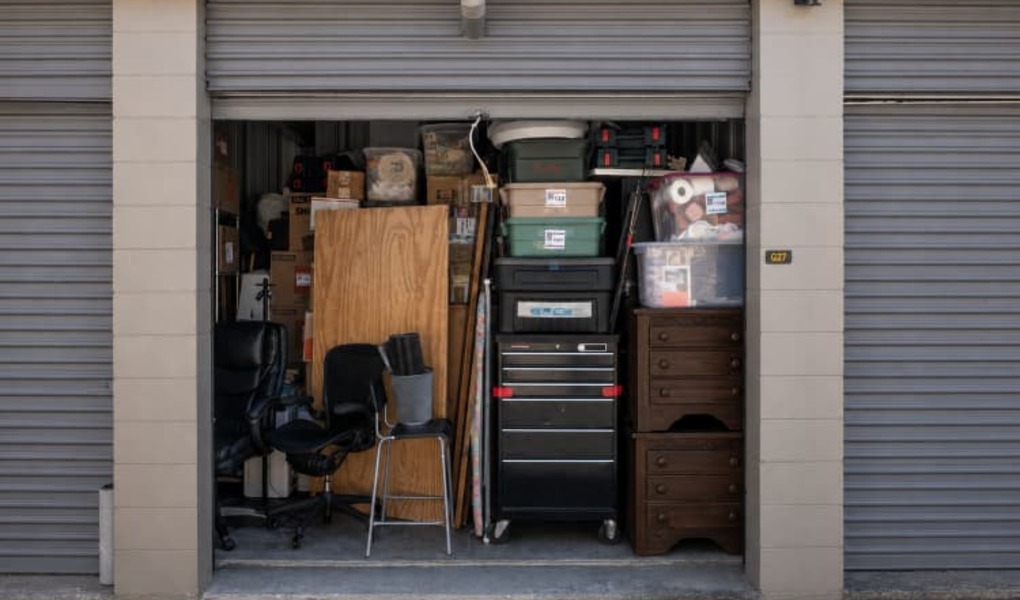
Most people load a storage unit without much trouble. The real problem shows up six months later when you need one specific box and spend 45 minutes moving everything else out of the way to find it. Knowing how to organize a storage unit is less about packing and more about setting it up so retrieval is actually quick.
These nine storage unit organization ideas will help you do exactly that.
9 Self Storage Organization Tips That Make Retrieval Easy
1. Sort Everything by How Often You Need It
The best way to organize a storage unit starts with sorting items by access frequency, not category. Before you move a single box, divide what you're storing into three groups: things you'll need regularly (seasonal gear, tools), things you might need occasionally (holiday decor, old paperwork), and things you might not ever touch again (archived files, old furniture).
Items in the first group belong near the door. Items in the second group go in the middle. Items in the third group go all the way to the back wall.
This single step does more for long-term usability than any other storage unit layout idea. When you need something, you'll know immediately where to look without unpacking everything around it.
2. Build a Center Aisle and Keep It Clear
Leave a walking path down the center of your unit from front to back. This aisle gives you access to items on both sides without having to move anything. Units that get packed wall-to-wall from the start feel organized until the first time you need something from the back.
This is especially worth planning for organizing a storage unit for the long term, when items will sit for months and access needs to stay practical throughout.
3. Use Vertical Space With Shelving
Freestanding shelving units let you stack small boxes without burying them. Instead of piling boxes three high and losing access to anything on the bottom, shelving keeps every box visible and reachable at eye level.
Wire shelving units are lightweight, affordable, and work in any unit size. Steel shelving holds heavier loads. Either way, label what goes on each shelf before you start loading.
Vertical storage also keeps your center aisle wider, since floor space stays open for walking rather than stacking.
4. Label Every Box on Two Sides
Write the contents on the side of each box, not just the top. Once boxes are stacked or pushed against a wall, the top label becomes invisible. Side labels are readable without moving anything.
Be specific with labels. "Kitchen" tells you nothing useful. "Kitchen: mixing bowls, baking sheets, hand mixer" tells you exactly whether this is the box worth pulling.
Add a second label on the opposite side so the box is readable from either direction in the aisle.
5. Draw a Zone Map and Keep It Near the Door
A simple hand-drawn map showing where each category of item is stored saves real time during retrieval. Tape it to the inside of the unit door or keep it in a folder you store right at the front.
The map doesn't need to be detailed. A rough grid showing which quadrant holds furniture, which holds bins, and which holds boxes by category is enough. When you return after several months, you won't be guessing.
This is one of the most underused storage unit organization ideas, and one of the most practical for anyone using storage long term.
6. Build a Photo Inventory Before You Close the Door
Take photos of the contents of each box before sealing it, then keep those photos in a phone album or folder labeled by unit. This step takes about 10 minutes when loading and saves considerably more time when searching.
When you need to find a specific item months later, scroll through the photos rather than opening every box. This works especially well for miscellaneous items that don't fit a clean category label.
Combine photo inventory with your zone map and you'll have a system that tells you both what's in a box and roughly where in the unit that box is sitting.
7. Store Furniture Strategically
Stand sofas and mattresses on their ends to free up floor space and prevent stacking damage. Couches stored on end take up a fraction of the floor space they would lying flat. Mattresses stored upright stay cleaner and are easier to extract when needed.
Place flat-bottomed furniture like dressers and tables against the back wall. Drawers can hold folded clothing or linens to get more use out of the space without adding extra boxes.
If you're storing wood furniture for an extended period, a climate-controlled unit helps prevent warping from humidity and temperature swings.
8. Use Clear Bins for Frequently Accessed Items
Clear plastic bins let you see contents without opening them, which matters when you're pulling seasonal items in and out. These work best for things you access more than once a year: holiday decorations, sports gear, clothing rotations.
Standard cardboard boxes are fine for items going into deep storage. Clear bins are worth the extra cost for anything in your "regular access" or "occasional access" zones.
Stack clear bins no more than three high so the bottom bin stays visible and accessible without having to unload the top two.
9. Leave a Small Work Zone at the Front
Keep a two-foot by two-foot open area just inside the door for setting things down while you search. When you're pulling boxes to check labels or reorganizing a section, having a landing spot prevents you from piling things in the aisle where they become a trip hazard.
This space also gives you room to swap items between zones as your needs change. Something that started in your "occasional access" area may need to move closer to the front as a project gets underway.
It feels like wasted space when you're loading. During retrieval, it becomes the most useful spot in the unit.
How to Organize a Storage Unit: Frequently Asked Questions
What is the best way to organize a storage unit for long-term access?
Sort items by how often you'll need them and place frequently accessed items near the door. Build a center aisle so you can walk to the back without moving anything. Combine labeled boxes, clear bins, and a zone map so you always know where to look without unpacking.
Should I use shelving in my storage unit?
Yes. Freestanding shelving keeps boxes visible, prevents items from getting buried at the bottom of stacks, and lets you use the full height of the unit. Wire shelving is a lightweight, affordable option that works in most unit sizes.
Do I need a climate-controlled unit for long-term storage?
It depends on what you're storing. Wood furniture, electronics, documents, and clothing benefit from climate-controlled storage because consistent temperature and humidity prevent warping, mold, and deterioration. If you're storing metal tools, plastic bins, or other non-sensitive items, a standard unit is typically fine.
Get Organized With the Right Unit
A well-organized unit starts with finding the right size and location. U.S. Self Storage makes it easy to search available units near you, compare pricing and features, and reserve online in minutes. Visit usselfstorage.com to find a location near you and reserve your unit today, no credit card required.
