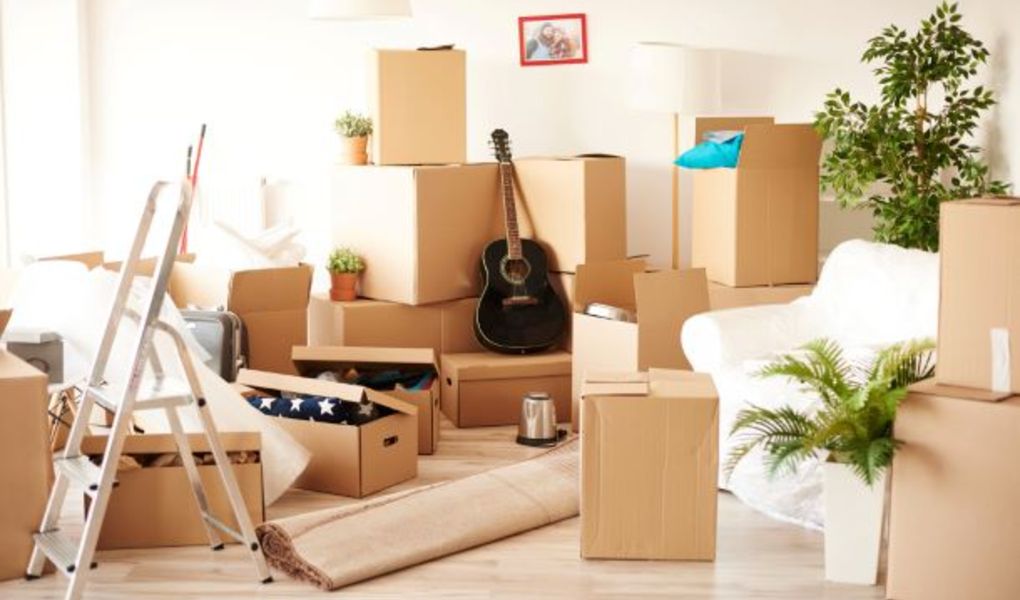
Moving is the best time to cut what you own down to what you actually use. But deciding what to get rid of before moving is harder than it sounds, because trash and donate are not the only two choices. Short-term storage is a third option that fits a lot of situations most moving guides ignore.
This list walks through 10 categories where people get stuck, and maps each one to the right decision: trash it, donate it, or move it to a storage unit until you're ready.
10 Things to Declutter for Your Move
1. Seasonal Clothing and Gear
Off-season clothes and gear almost always get packed into moving boxes and forgotten. If you are moving in July, winter coats and ski equipment do not belong in a truck with everything else.
Donate what no longer fits or what you have not touched in two seasons. Keep what you plan to use, but hold it in a storage unit rather than stuffing it into boxes at your new place before you have had time to unpack.
A 5x5 or 5x10 unit handles most seasonal wardrobe and gear overflow. Compare unit sizes to find what fits your volume.
2. Duplicate Kitchen Items
Most kitchens accumulate two of everything: two sets of mixing bowls, three cutting boards, four spatulas. Moving is the moment to cut those duplicates.
Keep the best version of each item and donate the rest. Kitchen goods move quickly at thrift stores, and donation centers near you accept them in good condition.
Do not let duplicates eat up box space or kitchen cabinet real estate at the new place. If you are genuinely unsure about a piece, a short-term storage unit buys you time to decide without forcing you to act before move-out day.
3. Inherited Furniture You Are Not Ready to Sell
Inherited furniture sits in a category of its own. It may not match your new home, but it carries enough meaning that donating or selling feels like a decision you need more time to make.
Short-term storage is the right answer here. A storage unit gives you space to hold furniture for a few months while you sort out what you want to keep long term. You are not locked into a permanent contract, and most facilities offer month-to-month rental terms.
A 10x10 unit fits a dining set or a few large furniture pieces. Check available locations near you to find a facility close to where you are moving.
4. Hobby Equipment You Are Not Using Right Now
Camping gear, photography equipment, woodworking tools, cycling equipment: these items take up real space but often go months without being touched. Moving without a plan for this category means it ends up crammed into a closet at your new place.
Be honest about what you have used in the last six months. If it has sat idle, you have two real options: sell it, or store it in a unit until you are settled and ready to use it again.
Selling hobby equipment takes time. If your move timeline is tight, a storage unit at a facility near your new home keeps those items off the moving truck and out of your way during the first weeks in a new space.
5. Children's Gear They Have Outgrown
Baby furniture, old strollers, outgrown bikes, and play equipment pile up fast. Before moving, sort by what your kids are actually using now versus what has been in the garage for a year.
Donate or sell gear in good condition that your children have outgrown. Local parenting groups and Facebook Marketplace move this kind of item quickly.
Hold anything you are saving for a younger sibling or future use in storage rather than filling your new garage or basement with it from day one. Storage units come in small sizes that work well for a single crib or a few boxes of baby items.
6. Books, DVDs, and Physical Media
Physical media is heavy, takes up shelf space, and rarely gets used after the initial move. Most people hold onto books and DVDs out of habit rather than genuine need.
Go through shelves before packing. Donate anything you have already read and would not reread. Libraries, Little Free Libraries, and thrift shops accept book donations in good condition.
A small box of titles worth keeping is fine to move. But full shelves of books you have not opened in three years are a moving cost you do not need to pay.
7. Furniture That Will Not Fit the New Space
Measure your new home before you pack a single piece of furniture. A sectional sofa that fits a 1,400-square-foot apartment may not work in your next space.
If you are downsizing or moving to a different layout, decide what furniture is worth taking before it ends up sitting in a hallway at the new place. Sell or donate pieces that clearly will not fit.
For furniture you want to keep but cannot place immediately, a storage unit is the right bridge. Hold pieces there while you figure out your layout, then bring them in once you know where they belong.
8. Sporting Equipment Used Only Seasonally
Ski gear in a beach town, surfboards in Colorado, golf clubs you use twice a year: seasonal sporting equipment is worth reviewing honestly before you move it across state lines.
Sell equipment you have not used in two or more years. The secondhand sporting goods market is active, and the sale proceeds can offset your moving costs.
Keep seasonal gear you actually use, but store it off-site rather than letting it take up closet or garage space at your new home during the months you will not need it. A drive-up unit makes seasonal access easy without digging through a packed garage.
9. Office and Paper Clutter
Old files, outdated equipment, and paper clutter have a way of filling boxes that end up unopened at the destination. Scan important documents before you move and shred anything you no longer need to keep.
Old computers and electronics can often be recycled through manufacturer take-back programs or local e-waste drop-off sites. Check with your city's waste management department for options near you.
Papers and documents you need to retain for legal or tax purposes but do not access daily are good candidates for a small storage unit or a climate-controlled space that keeps them protected.
10. Things You Are Keeping Only Because You Paid for Them
Sunk-cost clutter is real. Exercise equipment, appliances, gadgets, and furniture all qualify. The price you paid is not a reason to carry something into your next home.
Ask one question per item: would you buy this again today? If the answer is no, donate it or sell it before moving day.
For items where the answer is "maybe later," a short-term storage unit gives you a low-pressure holding period. Rent the space month-to-month, and if you never retrieve the item, you will have your answer about whether it was worth keeping.
How to Declutter Your Home Before a Move
The most practical approach when you start to declutter your home before a move is to work room by room with three piles: keep, go, and decide later. Box up the "keep" pile for the truck. Move the "go" pile directly to donation bins or the curb.
And put the "decide later" pile in a storage unit so it is out of your way on moving day without forcing a permanent decision.
This three-way split is what makes the process work. Trying to decide everything at once during a move creates paralysis and leads to everything ending up on the truck anyway.
Reserve a unit before your move so the space is ready when you need it. Month-to-month rental terms mean you are not locked in, and you can downsize or cancel once you are settled.
Frequently Asked Questions
How far in advance should I start to declutter before moving?
Start four to six weeks before your move date. That gives you time to work through rooms without rushing, arrange donations, schedule pickups, and reserve a storage unit if you need one. Waiting until the week before moving means everything gets packed whether it should or not.
What should I get rid of before moving instead of storing?
Items that are broken, outdated, or that you have not used in over a year are better donated or trashed than stored. Storage works best for things with genuine long-term value that you do not have a place for immediately, such as seasonal gear, inherited furniture, or hobby equipment you plan to use again. Paying monthly storage fees on things you will never retrieve is not worth it.
How do I find the right size storage unit for my move?
A 5x5 unit handles a few boxes and small items. A 5x10 fits a room worth of furniture or seasonal gear. A 10x10 fits the contents of a one-bedroom apartment. Visit our storage unit sizes guide to see a full breakdown, and check the FAQ page for common questions about how to choose a unit. If you are not sure, it is usually better to go slightly larger so you have room to access items easily.
Start Your Move With Less
Knowing what to declutter before moving saves money on the truck, reduces boxes at the destination, and makes settling into a new space faster. Use the three-way decision (keep, donate, store) on every category and you will move only what you actually want in your new home.
Search and reserve a storage unit at usselfstorage.com to hold what you are not ready to decide on yet. Reservations are free, rental terms are month-to-month, and facilities are available across the country.
