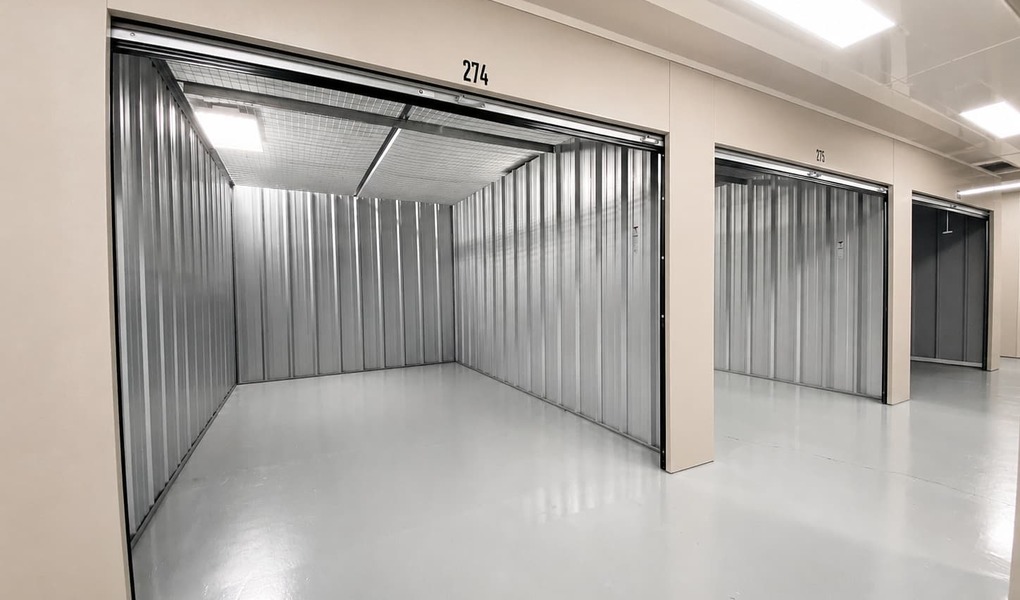
Choosing climate controlled storage is one of the simplest ways to make sure your belongings come out of storage in exactly the same condition they went in. For certain items, the small difference in monthly cost buys a significant amount of protection.
Here are seven situations where the upgrade is well worth it:
7 Situations Where Climate Controlled Storage Is Worth It
1. Antiques and Wood Furniture
Solid wood furniture and antiques respond to changes in their environment over time. Wood expands and contracts as humidity shifts between seasons, and over several months that movement can cause joints to loosen, veneer to bubble, and finishes to crack.
A climate controlled storage unit holds temperature between roughly 55 and 85 degrees Fahrenheit and keeps relative humidity stable throughout the year. That consistency is what antiques need to stay in good condition.
If the piece has monetary or sentimental value, the extra monthly cost is minor compared to a restoration bill or a loss in appraised value.
2. Electronics and Home Theater Equipment
Electronics are sensitive to humidity and temperature variation, making climate control a sound investment for anything you plan to use again. Condensation can form inside circuit boards and screens when temperatures shift between warm days and cool nights over an extended period.
This applies to televisions, audio receivers, computers, and gaming equipment. For storage lasting more than a few weeks, or in regions with hot and humid summers, a climate controlled unit gives your electronics the stable environment they need.
3. Wine and Spirits
Wine requires a narrow temperature and humidity band to stay at its best. Heat above 75 degrees can push fermentation and affect flavor, and fluctuating temperatures cause the liquid to expand and contract, which can lead to cork movement over time.
Spirits are more forgiving, but sustained high temperatures can still affect taste and cause gradual evaporation. If a bottle is worth keeping, a temperature controlled storage unit is the right home for it.
4. Documents, Photos, and Film
Paper, photographic prints, and film negatives are sensitive to heat and humidity over the long term. High heat can yellow paper and dry out bindings, while elevated humidity creates conditions where mold can develop on printed photos and film.
This matters most for original documents, family photo albums, film reels, and archival business records. Scanned backups are useful but do not replace originals. For anything with legal, financial, or personal significance, a climate controlled environment is a low-cost way to keep it protected.
5. Musical Instruments
Wooden instruments, including guitars, violins, cellos, and upright pianos, are among the most humidity-sensitive items you can store. Soundboards can crack when humidity drops too low, and finish checks and seam separation can occur when moisture levels shift repeatedly across seasons.
Brass and woodwind instruments are less sensitive to humidity but can be affected by prolonged exposure to heat, which may loosen pad glue and affect key mechanisms. A climate controlled storage unit keeps conditions stable for all instrument types.
Even a mid-range guitar can cost hundreds to repair after humidity damage. A climate controlled unit takes that risk off the table for a few extra dollars per month.
6. Upholstered Furniture and Mattresses
Fabric, foam, and fiberfill hold onto moisture, and in humid conditions that can eventually lead to mold or mildew developing inside cushions and mattress foam. This is particularly relevant in coastal regions and the southeastern United States, where humidity levels stay elevated for long stretches of the year.
A humidity controlled storage environment keeps relative humidity below the threshold where mold typically establishes itself, generally under 60 percent. For upholstered pieces you want to keep in good condition, that level of control makes a real difference.
7. Classic and Collector Vehicles
Collector cars and show vehicles benefit from a stable storage environment because chrome, leather, and painted surfaces are all sensitive to sustained humidity and temperature swings. Daily temperature variation can cause condensation to form inside the cabin, engine bay, and trunk over the course of a storage season.
Leather seating holds up best in a stable humidity range. Chrome and painted finishes stay in better condition when moisture levels are controlled. Rubber seals and gaskets are also less likely to harden or shrink when temperatures remain consistent.
If the vehicle has restoration value or is insured as a collector car, climate controlled storage is a natural fit. Read more about vehicle storage options on the car and vehicle storage page at usselfstorage.com.
Frequently Asked Questions
What is the difference between climate controlled and temperature controlled storage?
Temperature controlled storage regulates heat and cold but does not always address humidity. Climate controlled storage manages both temperature and humidity levels, typically holding temperature between 55 and 85 degrees and relative humidity below 55 to 60 percent. For items sensitive to moisture, the distinction matters.
Do I need climate controlled storage for electronics?
Electronics stored for more than a few weeks in a hot or humid region benefit from a climate controlled unit. The primary risk is condensation forming inside circuit boards and display panels when temperatures shift between daytime heat and nighttime cooling. Short-term storage in mild climates poses less risk.
Is climate controlled storage worth the extra cost?
Climate controlled storage is worth it for wood furniture, antiques, electronics, instruments, documents, wine, and collector vehicles. The monthly cost difference between standard and climate controlled is typically $20 to $40, which is minor compared to the replacement or restoration cost of a single damaged item.
Ready to Find the Right Unit?
The right call on climate control depends on what you are storing, where the facility is located, and how long the unit will hold your items. Use usselfstorage.com to search facilities near you and filter results by unit type, including climate controlled options, to compare pricing and availability before you reserve.
