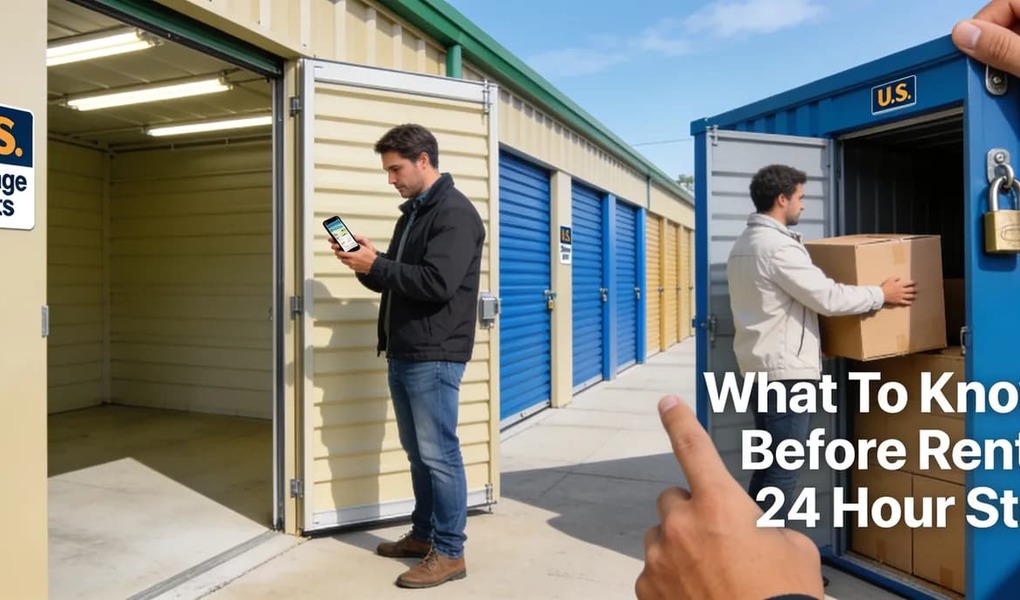
24-hour access storage requires verifying gate codes, security cameras, and lease terms before signing. U.S. Self Storage at 720 1st St NW, Albuquerque, NM 87102 confirms access hours and security features directly with staff, ensuring renters understand entry procedures, fees, and facility monitoring standards prior to committing to a unit.
24-hour access, well-lit paths, and around-the-clock convenience define true 24/7 storage—like U.S. Self Storage at 720 1st St NW, Albuquerque, NM 87102. Verify security cameras and regular inspections, since, per Storage Cafe, over 20% of Americans already use self-storage, making facility quality essential before renting.
24-hour access storage requires confirming facility policies before signing a lease, since not every location offers true round-the-clock entry. U.S. Self Storage lists availability, features, and pricing—generally pricing varies monthly depending on size—. Renters should verify gate hours, lighting, security cameras, and access codes directly with each facility before reserving a unit online.
Key Takeaways
- 24-hour access storage allows you to retrieve items anytime, fitting your schedule around work and errands.
- Well-lit paths and convenient options operate around the clock at U.S. Self Storage in Albuquerque, NM.
- You manage your unit independently with 24/7 access, eliminating restrictions on pickup and drop-off times.
- Consider climate control needs and unit size before renting, as these factors affect your storage solution.
Why Does 24-Hour Access Matter for Renters?
Access hours decide whether a storage unit actually fits a renter's life, not just a facility's posted schedule. Facilities offering 24 hour storage let renters arrive whenever their day allows, whether that means stopping by after a long shift or squeezing in a visit between errands. Renters comparing nearby facilities can also weigh access hours alongside other features before reserving a unit. Not every location keeps the same schedule.
Flexibility matters most when plans don't cooperate. A late-night packing session or an early-morning pickup shouldn't require rearranging a whole day. Round-the-clock access lets renters drop off boxes or grab a forgotten item at any hour, without disrupting their normal routine.
Does Access Timing Affect Storage Unit Security?
Extended access hours work best when paired with secure storage features rather than instead of them. Facilities that combine flexible hours with lighting, surveillance, and controlled entry give renters confidence at 2 a.m. and at noon alike.
What Should Renters Ask Before Committing?
Before signing a lease, renters juggling moves, downsizing, renovations, or business growth should confirm how access hours match their timeline. Business owners with inventory swings need different flexibility than someone downsizing a single-family home.
Questions worth asking include:
- Are access hours truly 24/7, or limited to certain windows?
- What identification or gate codes are required for entry?
- Are cameras and lighting active during overnight hours?
- Does staff monitor the property outside business hours?
Applying basic storage unit security tips, like asking these questions upfront, helps renters avoid surprises after move-in day. Comparing these details across facilities beforehand puts renters in control, rather than discovering access limits after paying a deposit.
What Security Features Should Accompany 24 Hour Storage?
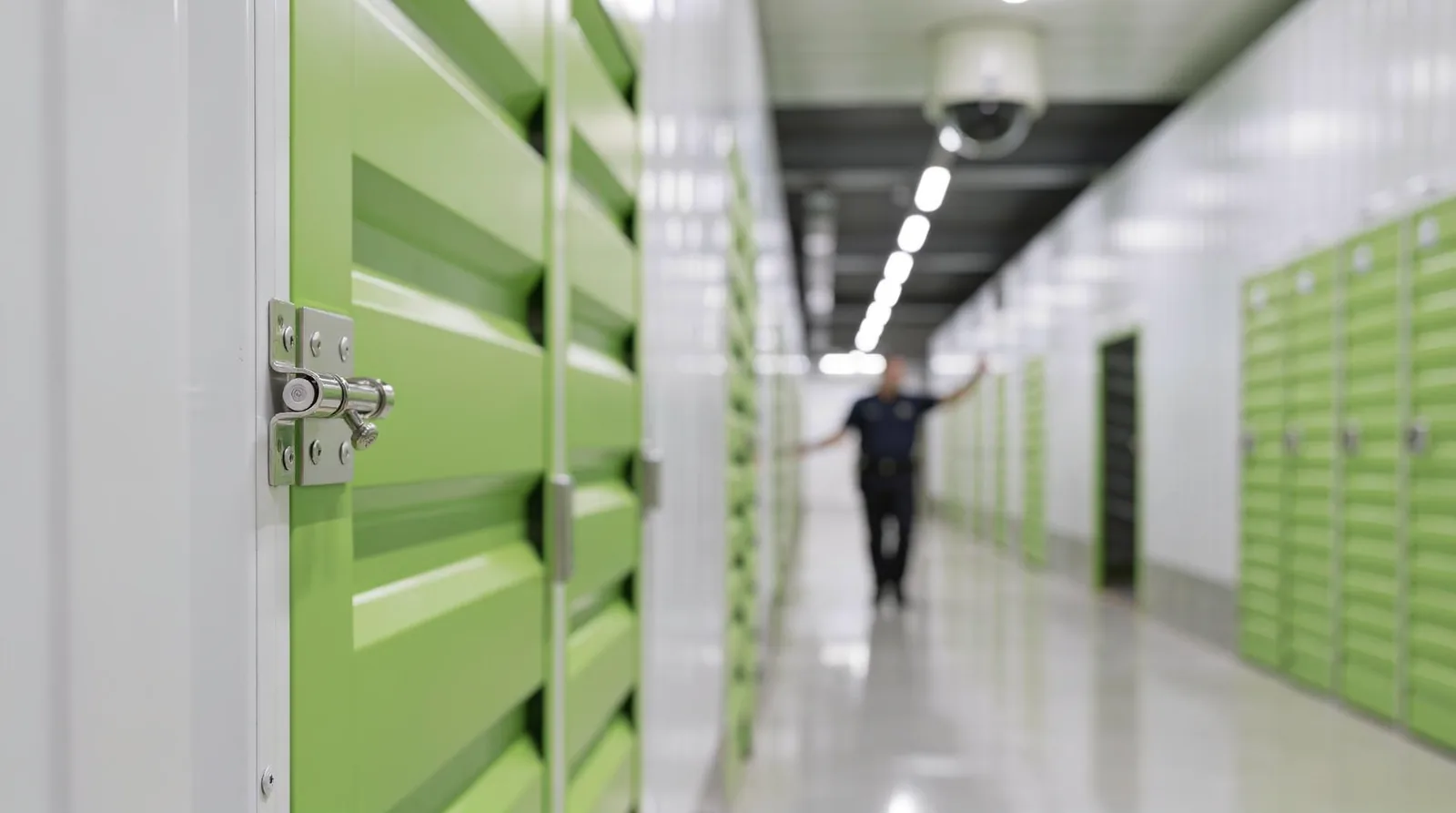
Reliable 24 hour storage pairs extended access with visible protection measures, not just a gate that never locks. Security cameras, gated entry, proper lighting, and in-person surveillance form the baseline that separates a well-run facility from a risky one. Round-the-clock hours mean little without equal attention to who can enter and how activity gets monitored after dark.
Not every site marketed as always-open meets the same standard. Some facilities undergo regular inspection and carry surveillance equipment throughout the property, while others advertise extended hours without matching oversight. That gap matters for anyone storing valuable furniture, business inventory, or seasonal equipment.
A facility built around secure storage typically combines several protective layers rather than relying on one feature alone:
- Gated access requiring a code or credential
- Surveillance cameras covering entrances, hallways, and unit rows
- Climate control for temperature-sensitive belongings
- Drive-up units for faster, lower-risk loading and unloading
- Adequate lighting across parking areas and walkways
What storage unit security tips help renters compare facilities?
Renters benefit from touring a property before signing, checking whether cameras cover unit rows rather than just the main entrance. Asking staff how access logs work and whether gates lock automatically after each entry reveals a lot about daily operations. These storage unit security tips apply equally to movers, business owners, and anyone storing items long-term.
Why compare security features across multiple facilities?
Comparing nearby options side by side surfaces differences in gated access, camera placement, and lighting that a single listing won't show. Weighing security features alongside access hours, rather than treating them as separate decisions, leads to a more informed reservation. Facilities offering both extended access and consistent oversight tend to deliver the strongest overall value.
What Storage Unit Security Tips Protect Belongings?
Concrete evaluation criteria protect belongings far more than a general sense of trust in a facility's reputation. Prospective renters should confirm whether a location undergoes regular inspection and carries active surveillance cameras before signing anything. Not every self-storage site meets that standard, so verification remains a necessary early step, not a formality.
Secure storage starts with visible infrastructure. Gated access, camera coverage, and climate control together indicate a facility built for protection rather than bare-minimum compliance. Drive-up convenience adds practical value too, but it should never substitute for the security features listed above.
What paperwork should renters expect at move-in?
Most facilities require a photo ID to complete a lease. Many also mandate insurance coverage as a condition of renting, which creates accountability for both the renter and the property. These two requirements work together: identification ties a unit to a specific person, while insurance protects the contents inside it.
How can renters confirm a facility is legitimate?
Checking the exact street address against the facility's listed location catches inconsistencies before a lease gets signed. A verified address, like a location listed at 720 1st St NW in Albuquerque, NM 87102, confirms the business operates from a real, fixed site rather than an unverifiable listing.
Renters comparing 24 hour storage options should apply the same scrutiny to access hours as to cameras and gates. Round-the-clock access only benefits a renter when it's paired with lighting, monitoring, and controlled entry points. Following these storage unit security tips before committing narrows the search to facilities that treat security as standard practice, not an afterthought.
What Questions Should You Ask Before Renting?
Five questions separate a satisfying storage rental from a costly mistake. Clients who skip this step often discover, too late, that a facility's hours, price, or unit type doesn't match actual needs. More than 20% of Americans already use self-storage. Another 15% plan to rent in the future, which makes asking the right questions before signing a lease essential.
Does the facility offer 24-hour access?
Retrieval schedules rarely follow business hours. A renter running a small business, moving on weekends, or juggling odd shifts should confirm whether 24 hour storage is available before committing. Facilities without round-the-clock entry can leave items out of reach exactly when they're needed most.
What does the unit actually cost each month?
Monthly rates depend heavily on unit size, location, and included features. Prices for comparable units can range widely across a single metro area. Gathering quotes from multiple facilities protects against overpaying for the same square footage.
Beyond price and access hours, a handful of additional questions round out a thorough evaluation:
- Unit types: Does the facility offer climate-controlled units, drive-up units, indoor storage, or vehicle storage?
- Location: Is the facility close enough to home or the workplace to make move-in convenient?
- Security: What secure storage measures — gated entry, cameras, individual alarms — protect the property?
- Lease terms: Are month-to-month agreements available, or is a long-term commitment required?
Facilities that answer these questions clearly, without hedging, tend to be the ones worth trusting with a lease. Reviewing basic storage unit security tips alongside these questions gives renters a fuller picture before signing anything.
How Do You Compare Facilities for Secure Storage?
Comparing facilities for secure storage starts with a side-by-side price check. Renters benefit from reviewing local storage prices across multiple facilities before settling on one that fits a monthly budget. Skipping this step often means overpaying for a unit that offers no more protection than a cheaper option down the street.
Once comparison shopping wraps up, reserving a unit online saves a trip to the office and finalizes paperwork ahead of move-in day. Location matters too. A facility closer to home or work adds daily convenience. Proximity should never replace a careful look at security features.
Facilities that pair 24 hour storage access with layered protection tend to stand out from the rest. Features worth confirming during a walkthrough include:
- Gated access that restricts entry to authorized renters
- Video surveillance covering hallways, gates, and loading areas
- Climate control for temperature-sensitive belongings
- Drive-up units for faster loading and unloading
These elements work together to create genuine secure storage, rather than relying on a single safeguard. A facility offering only a perimeter fence provides far less protection than one combining cameras, controlled entry, and drive-up access.
What Storage Unit Security Tips Should Renters Follow Before Signing a Lease?
Renters should ask directly about camera coverage, gate hours, and whether staff monitor the property on a regular basis. Confirming these storage unit security tips during a site visit, rather than after signing, prevents unpleasant surprises later on.
Does Location Still Matter Once Security Checks Out?
Yes, location remains part of the comparison. U.S. Self Storage, located in Albuquerque, NM, at 720 1st St NW, illustrates the kind of facility detail renters should confirm firsthand, from address accuracy to on-site amenities, before finalizing a reservation.
Understanding the implications of 24-hour access storage ensures you select a facility aligned with your specific needs and operational requirements. The considerations outlined—security protocols, access mechanisms, climate control, and facility policies—form the foundation of an informed rental decision. By evaluating these factors against your storage objectives, you position yourself to maximize the value and functionality of your unit. U.S. Self Storage remains committed to providing transparent information that supports your decision-making process as you pursue the storage solution that best serves your circumstances.
FAQ
Is 24-hour access truly around-the-clock at every facility?
Not every location marketed as 24/7 keeps the same schedule. Confirm gate hours, lighting, security cameras, and access codes directly with the facility before reserving a unit.
What security features should pair with extended access hours?
Security cameras, gated entry, proper lighting, and in-person surveillance form the baseline. Extended hours mean little without equal attention to who enters and how activity gets monitored after dark.
What should renters ask before signing a lease?
Ask whether access is truly 24/7, what identification or gate codes entry requires, and whether cameras, lighting, and staff monitoring remain active outside business hours.